What Makes Mulberry Silk Different?
For many customers, the word “silk” already sounds luxurious. But for brands, retailers, and B2B buyers, simply saying “silk” is […]
Read MoreWhat is mulberry silk?
This is one of the most common questions we receive from buyers, private label brands, and luxury bedding companies.
As a silk manufacturer with more than 10 years of export experience, we believe understanding mulberry silk is essential when sourcing premium silk products.
However, a question we often receive from buyers and private label brands is:
What exactly makes mulberry silk different from other types of silk?
As a silk manufacturer with more than 10 years of experience supplying luxury bedding brands, beauty brands, retailers, and ecommerce businesses, we believe understanding the raw material behind a product is one of the most important parts of making informed sourcing decisions.
In this guide, we’ll explain what mulberry silk is, how it is produced, why it is considered the highest-quality silk available, and what buyers should know before choosing a silk supplier.
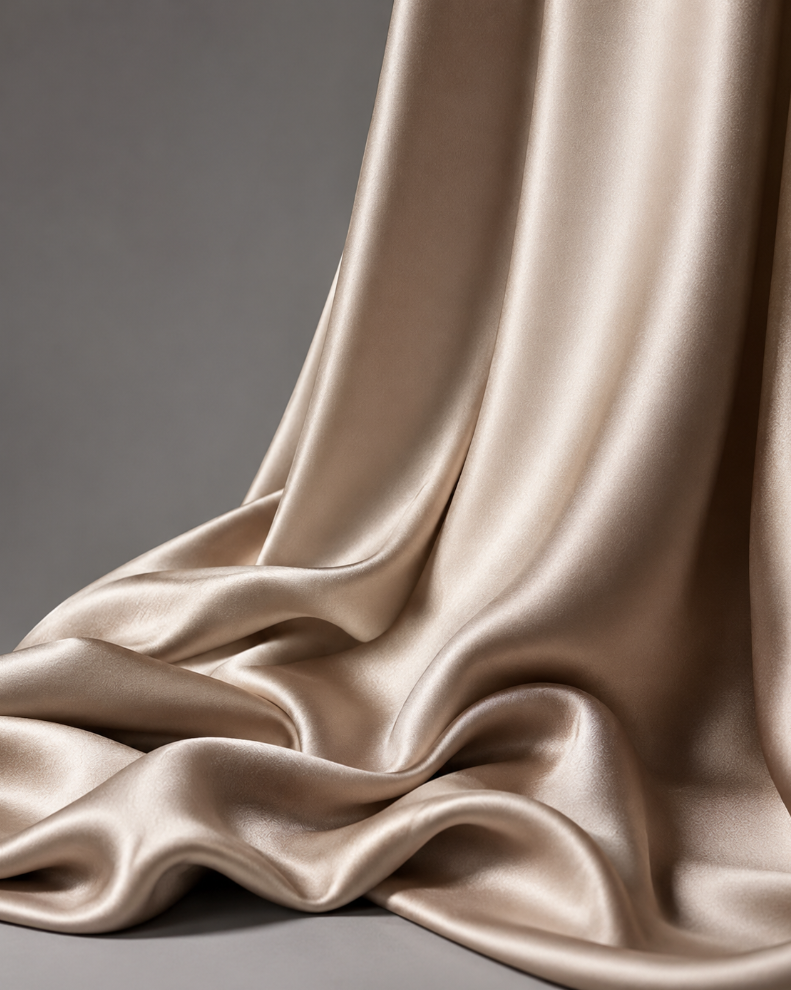
Mulberry silk is a natural protein fiber produced by the Bombyx mori silkworm.
Unlike wild silkworm species that feed on a variety of plants, Bombyx mori silkworms are raised in controlled environments and fed exclusively on mulberry leaves.
This carefully controlled diet results in:
Because of these qualities, mulberry silk is widely regarded as the finest type of silk available in the global textile industry.
Today, most premium silk pillowcases, silk bedding sets, eye masks, bonnets, scrunchies, and luxury sleepwear are made from mulberry silk.
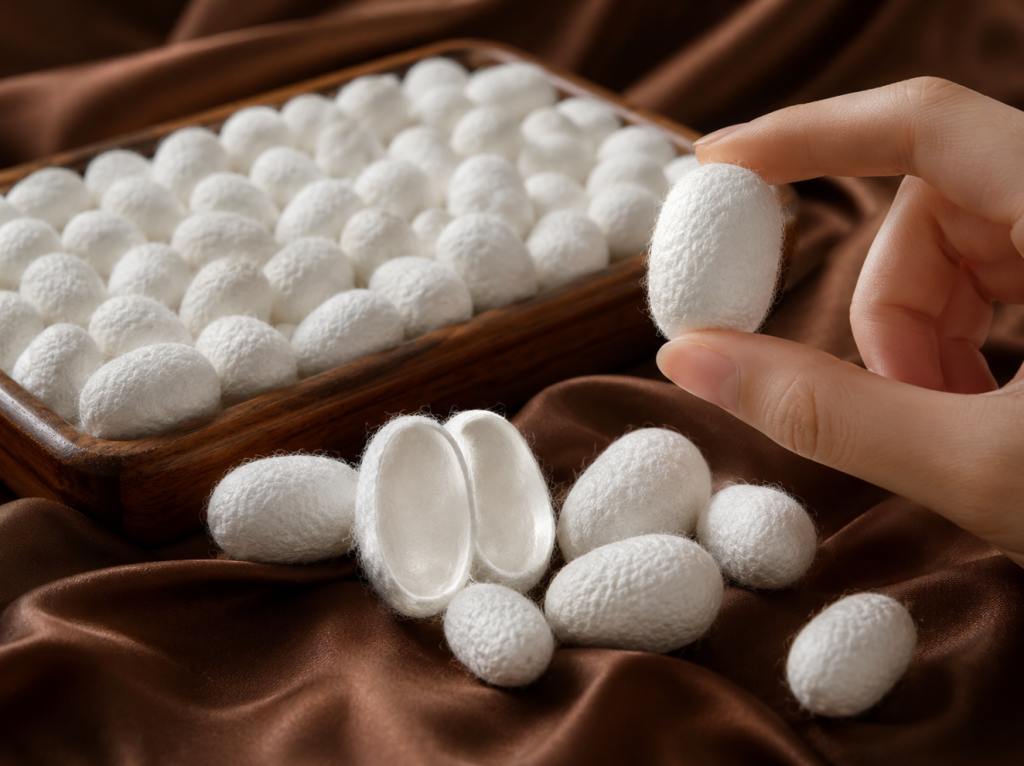
The history of mulberry silk dates back thousands of years.
China remains the world’s largest producer of mulberry silk and continues to be recognized as the center of premium silk manufacturing.
The production process begins with silkworm farming.
After hatching, silkworms are raised in carefully controlled conditions where temperature, humidity, and feeding schedules are monitored.
For approximately four to six weeks, the silkworms consume mulberry leaves and gradually grow before entering the cocoon-spinning stage.
Each silkworm produces a cocoon made from a continuous silk filament.
Remarkably, a single cocoon can contain between 600 and 1,500 meters of silk filament.
These filaments are later unwound and combined to create silk yarn suitable for weaving.
Not all silk is the same.
The quality of silk is influenced by:
Mulberry silk consistently outperforms many other silk varieties because its fibers are naturally longer and more uniform.
Long fibers create smoother fabrics with fewer weak points.
This improves durability and creates the luxurious feel consumers expect from premium silk products.
Because the silkworms follow the same diet and are raised in controlled environments, the resulting fibers are more consistent in quality.
Mulberry silk fibers have a naturally smooth structure.
This contributes to:
The triangular prism structure of silk fibers reflects light naturally, creating the elegant sheen that makes silk so recognizable.
One of the most common specifications buyers encounter is Grade 6A Mulberry Silk.
Grade 6A is generally considered the highest commercially available silk grade.
It refers to factors such as:
Higher-grade silk produces:
For luxury bedding and beauty products, Grade 6A mulberry silk is often the preferred choice.
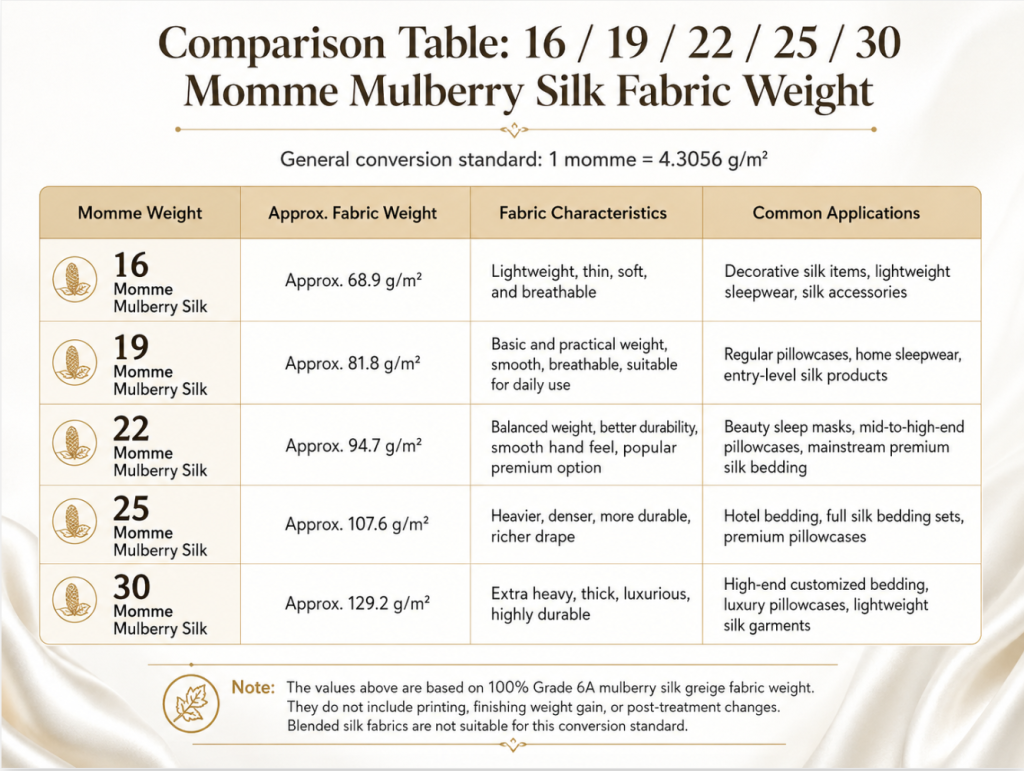
When sourcing silk products, buyers will also encounter the term momme.
Momme measures the weight and density of silk fabric.
Common options include:
Lightweight and soft.
Often used for:
The most popular balance between softness and durability.
Commonly selected for:
Heavier and more durable.
Suitable for:
Ultra-premium silk with exceptional durability and luxury feel.
Often positioned as a top-tier product.
Mulberry silk has become increasingly popular among beauty brands.
One reason is its naturally smooth surface.
Compared with cotton, silk creates significantly less friction during sleep.
This may help reduce:
In addition, silk is naturally breathable and temperature-regulating.
It helps create a comfortable sleeping environment throughout the year.
For these reasons, silk pillowcases are often marketed as beauty sleep products.
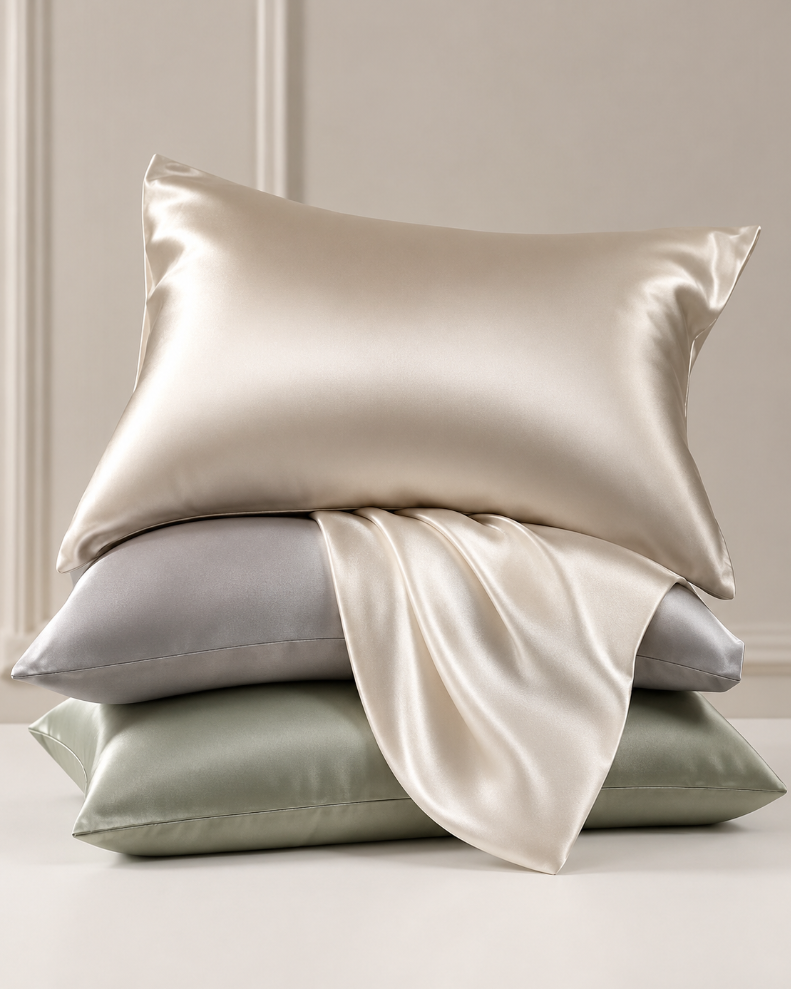
Modern applications extend far beyond traditional apparel.
Common products include:
Many private label brands choose mulberry silk because it combines luxury positioning with practical performance benefits.
If you are sourcing silk products for your brand, asking the right questions is essential.
Consider:
Request material specifications and testing documentation.
Different applications require different fabric weights.
Customization often includes:
Common certifications include:
A reliable supplier should be able to provide supporting documentation when requested.
False.
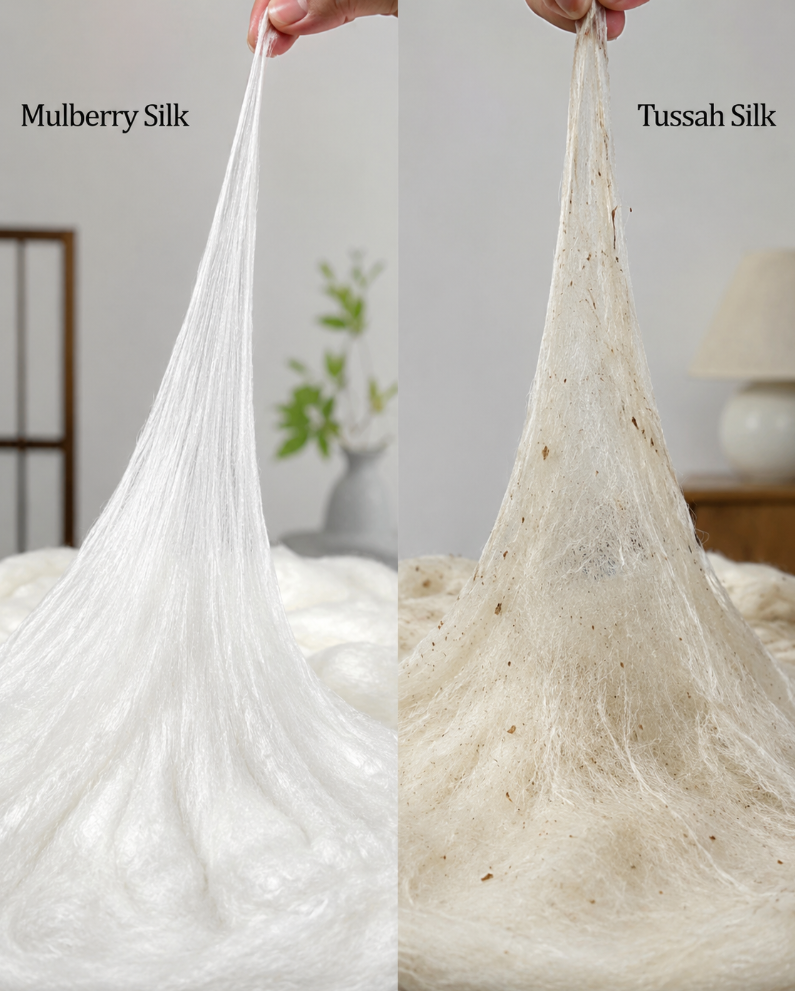
There are several silk varieties, including wild silks.
Mulberry silk represents only one category, though it is generally regarded as the highest quality.
High-quality mulberry silk is surprisingly durable when properly cared for.
Not necessarily.
Fiber quality, weaving, finishing, and manufacturing standards all influence product quality.
Yes. Mulberry silk is a natural silk fiber produced by Bombyx mori silkworms.
Its production requires controlled farming conditions, skilled processing, and extensive quality control.
Mulberry silk is generally considered the highest-quality silk due to its longer, smoother, and more uniform fibers.
Pillowcases, bedding, eye masks, bonnets, scrunchies, sleepwear, and luxury accessories.
Review fiber specifications, momme weight, certifications, and independent laboratory testing reports.
So, what is mulberry silk?
At its core, mulberry silk is a natural protein fiber produced by silkworms fed exclusively on mulberry leaves. Its long fibers, smooth texture, durability, breathability, and natural sheen have made it the preferred choice for luxury bedding, beauty products, and premium textile collections around the world.
For buyers, understanding the differences between silk types, momme weights, and quality grades can help ensure better sourcing decisions and stronger product positioning.
Whether you’re developing a private label pillowcase collection, launching a beauty-focused sleep product, or sourcing luxury textiles for retail, mulberry silk remains one of the most trusted and desirable natural fibers available today.

For many customers, the word “silk” already sounds luxurious. But for brands, retailers, and B2B buyers, simply saying “silk” is […]
Read More
General people think that silk is satin, in fact, silk clothing and products as a unified mark of 100% silk, […]
Read More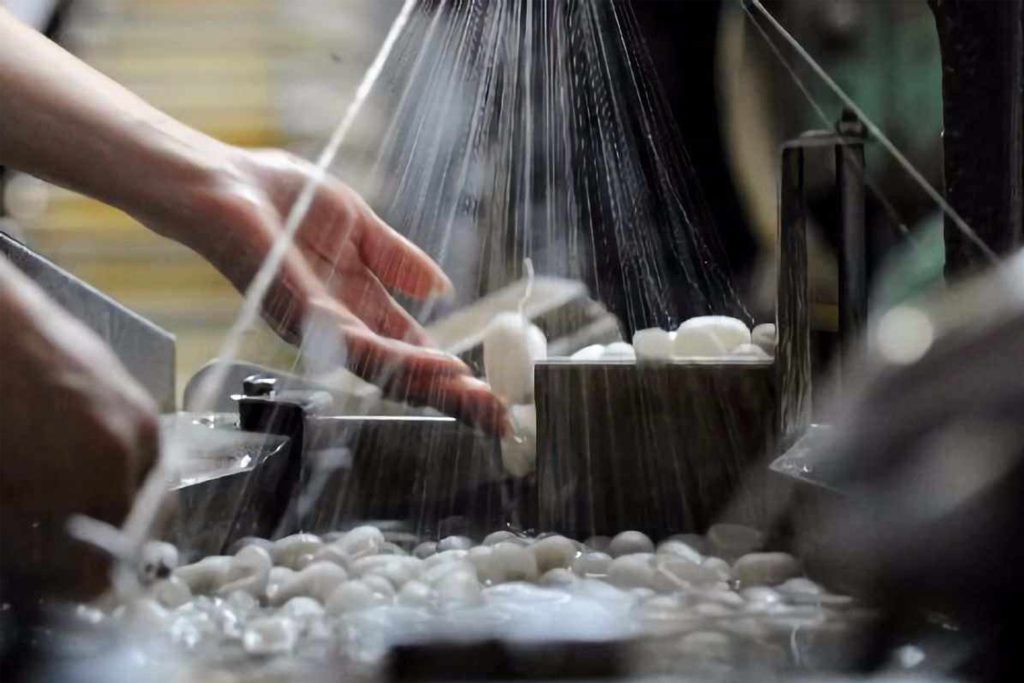
The sound of camel bells, boats across the river, stretching for thousands of miles, lasting for thousands of years. Since […]
Read More