Silk Quilt: Filaments, medium filaments and short filaments have so many differences
When choosing a silk quilt, many people will overlook a particularly important detail. On the washing mark of a silk […]
Read MoreWhen shopping for bedding, thread count is often one of the first specifications consumers notice. For cotton sheets, a higher thread count is frequently associated with softness and quality. However, when it comes to silk pillowcases, thread count works very differently.
Many consumers and even some retailers mistakenly compare silk thread count directly with cotton thread count. In reality, thread count is not the most important measurement for evaluating silk quality. Understanding how silk fabric is measured can help brands, retailers, and consumers make better purchasing decisions.
Thread count refers to the number of horizontal and vertical threads woven into one square inch of fabric.
For example:
In cotton bedding, thread count can provide some indication of fabric density. However, silk fibers are naturally much finer than cotton fibers, making thread count less useful as a quality indicator.
Unlike cotton fabrics, silk pillowcases are typically evaluated using a measurement called Momme (mm), not thread count.
Momme measures the weight and density of silk fabric. It is considered the international standard for evaluating silk quality.
A higher momme weight generally means:
For silk pillowcases, momme weight provides a much more accurate indication of quality than thread count alone.
Most high-quality mulberry silk pillowcases are woven with thread counts ranging from approximately 400 to 750, depending on the silk grade, yarn size, and momme weight.
However, these numbers are rarely used in silk product specifications because they do not provide a complete picture of fabric quality.
Instead, professional silk manufacturers focus on:
These factors have a far greater impact on performance and luxury appearance.
When comparing silk pillowcases, momme weight is the specification buyers should pay attention to.
Thread count alone cannot determine whether a silk pillowcase is truly premium.
Professional buyers should also evaluate:
The highest-quality pillowcases are typically made from 6A Grade Mulberry Silk, which uses long, uniform silk fibers for superior softness and durability.
Consistent weaving helps ensure:
Premium silk pillowcases feature:
OEKO-TEX® Standard 100 certification verifies that fabrics have been tested for harmful substances and meet international safety standards.
For private label brands, luxury retailers, and ecommerce businesses, selecting the right silk pillowcase involves more than simply looking at thread count.
Instead, buyers should focus on:
These factors contribute directly to customer satisfaction, product longevity, and brand reputation.
While thread count is often discussed in the bedding industry, it is not the primary measurement used to evaluate silk pillowcases. Momme weight, silk grade, and manufacturing quality are much more important indicators of performance and luxury value.
For brands developing premium silk collections, understanding these differences helps ensure better product positioning and more informed purchasing decisions. By choosing high-quality mulberry silk, professional craftsmanship, and reliable manufacturing partners, businesses can deliver a superior sleep experience while building long-term customer trust.
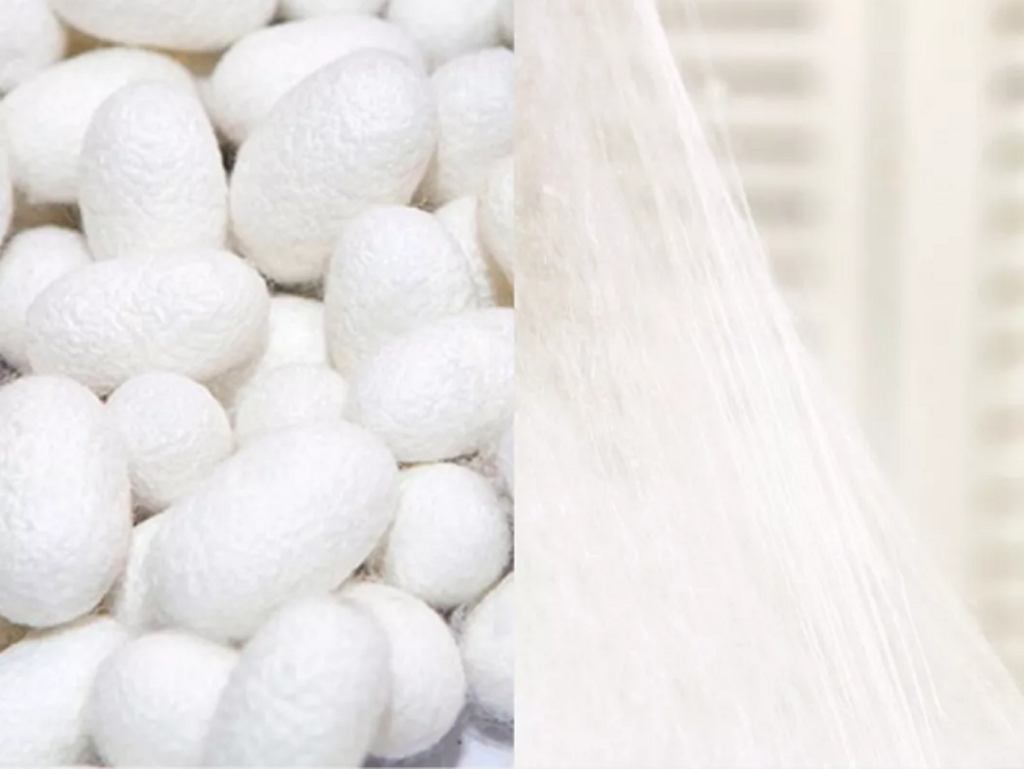
When choosing a silk quilt, many people will overlook a particularly important detail. On the washing mark of a silk […]
Read More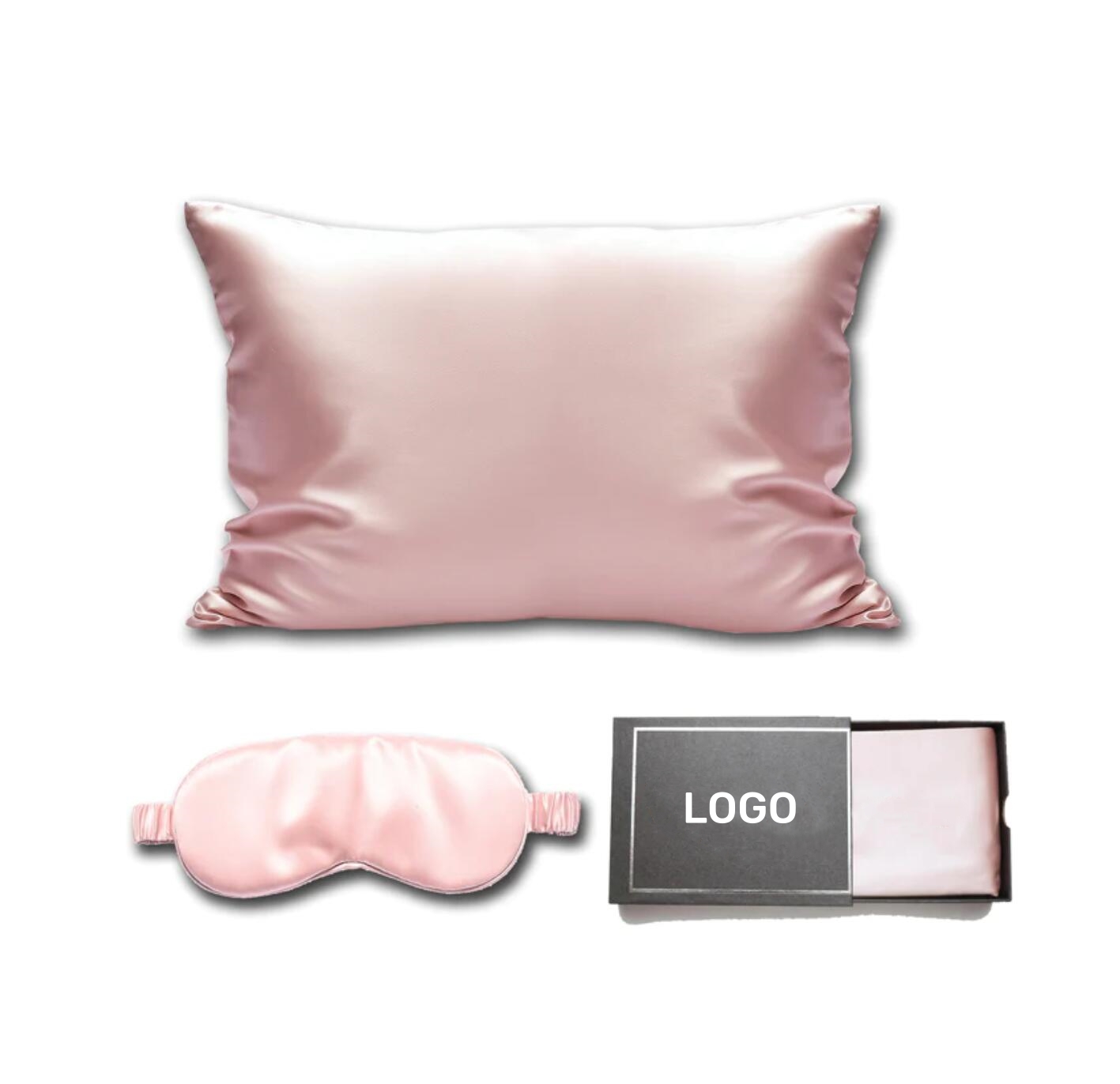
Can Silk Pillowcases Really Improve Acne? Expert Analysis Acne affects over 85% of teenagers and half of adults worldwide. With […]
Read More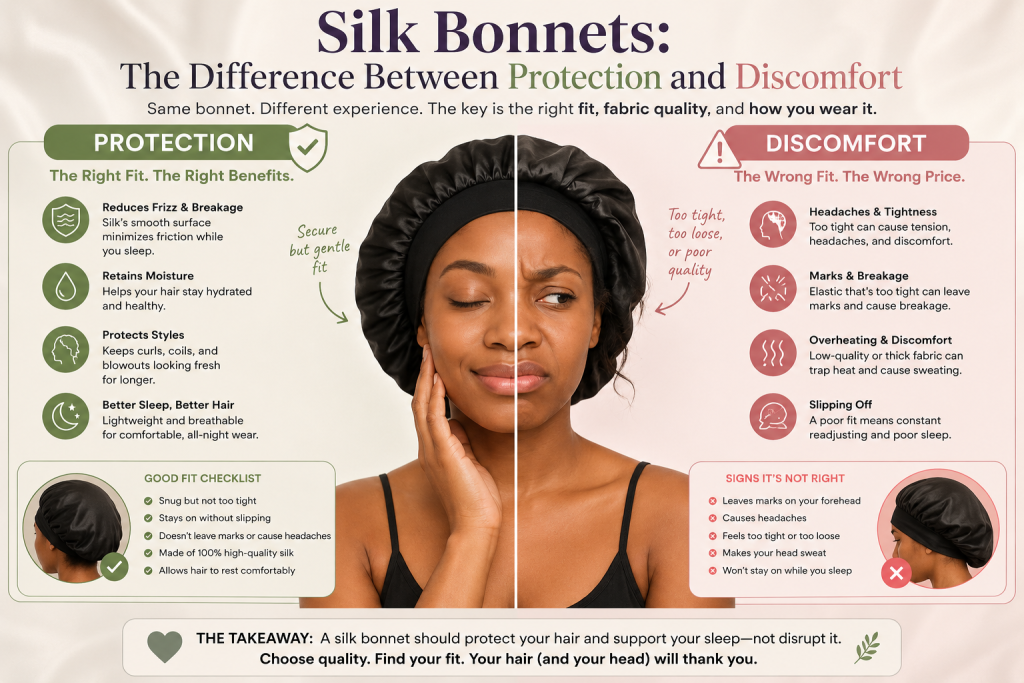
A silk bonnet is often described in simple terms as a nighttime accessory for protecting hair. In practice, however, the […]
Read More